
Worried about reports that your trusty stainless steel water bottle might contain lead? You’re not alone. The headlines can be alarming, creating confusion and doubt about products you use every day. To truly understand if stainless steel water bottles contain lead, we need to look beyond the marketing slogans and into a specific detail of the manufacturing process.
The question of whether stainless steel water bottles contain lead is nuanced. The 18/8 or 304 stainless steel used for the body is inherently lead-free1. The risk comes from a lead-based solder pellet that some manufacturers use to seal the vacuum insulation gap2 at the bottom of the bottle, a component that is hidden from view and sealed off from the user.
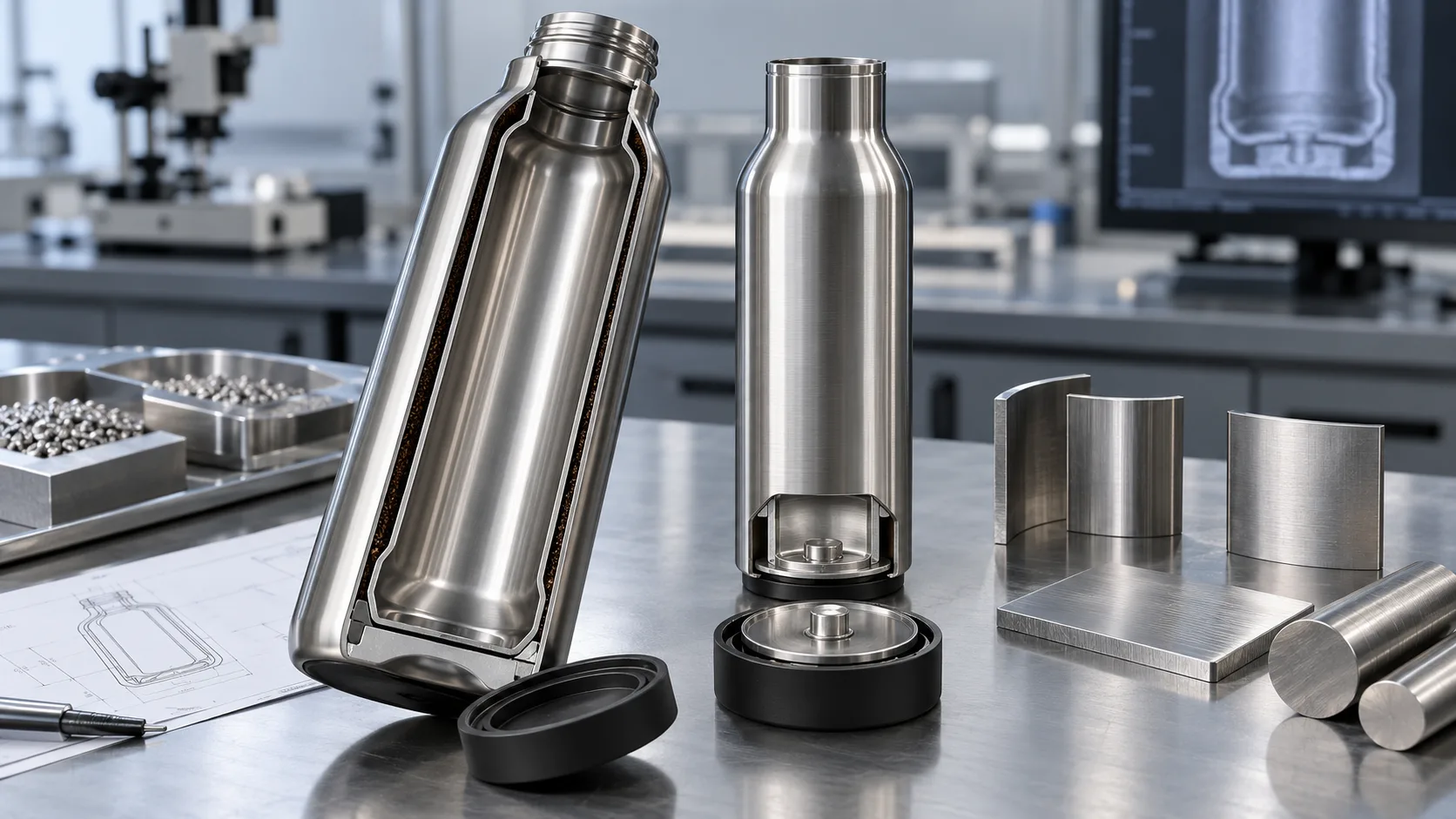
This distinction between the material and the manufacturing method is critical. Let’s dive into where this issue originates and, more importantly, what questions you should be asking to ensure the products you buy or sell are genuinely safe.
Why is lead used in manufacturing some stainless steel water bottles?
Struggling to understand why a toxic material would be used at all? It seems counterintuitive for a product designed for health and hydration. The reason isn't the steel, but a single, hidden manufacturing step.
The key lies in creating the vacuum insulation. A lead-based solder has historically been an inexpensive and effective material3 for sealing the small port used to evacuate air from between the bottle's inner and outer walls.
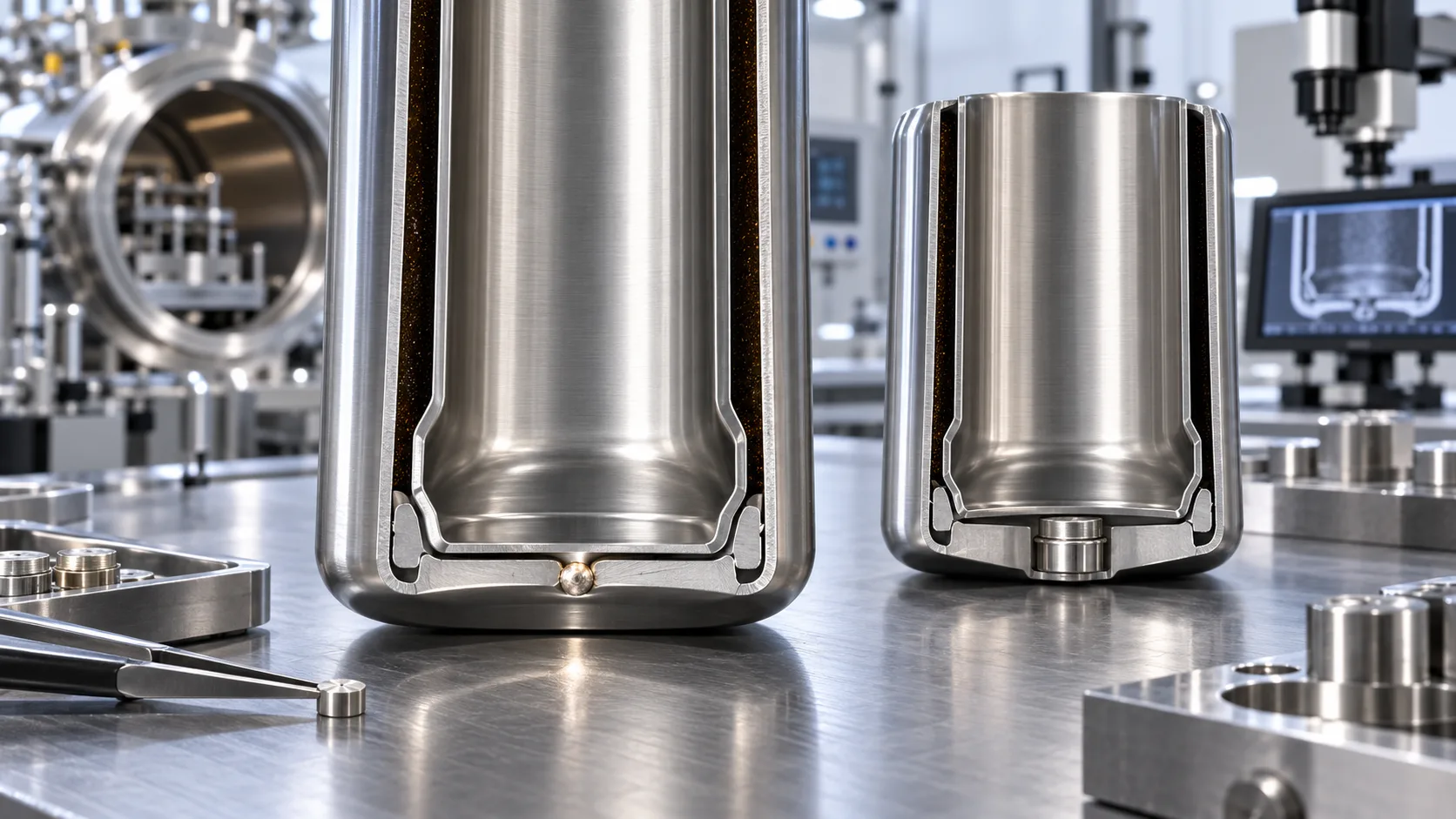
From reviewing countless manufacturing specifications, this solder pellet is the most common point where lead is introduced. This sealing point is on the exterior of the bottle and is then covered and sealed by a metal base cap or a non-slip silicone boot. For the end-user, direct contact with this lead solder is nearly impossible unless the bottle is severely damaged4.
However, the presence of lead creates significant risks:
- Worker Safety: Factory workers can be exposed during the manufacturing process.5
- Environmental Contamination: Improper disposal of the solder or bottles at the end of their life can release lead into the environment6.
The good news is that modern, responsible manufacturing has moved beyond this. Safer alternatives include using a lead-free solder or a "glass getter" process7 to create and seal the vacuum. This is a conscious choice a manufacturer makes—one that prioritizes safety and environmental responsibility over slightly lower costs.
How can you verify a "lead-free" claim is legitimate?
You see "lead-free" on the packaging, but how do you know it's not just marketing speak? The claim is only meaningful if it addresses the specific manufacturing step we've discussed.
Simply stating that the 18/8 stainless steel is lead-free is redundant—it always is. A trustworthy "lead-free" claim refers to the entire manufacturing process8, especially the vacuum sealing method.
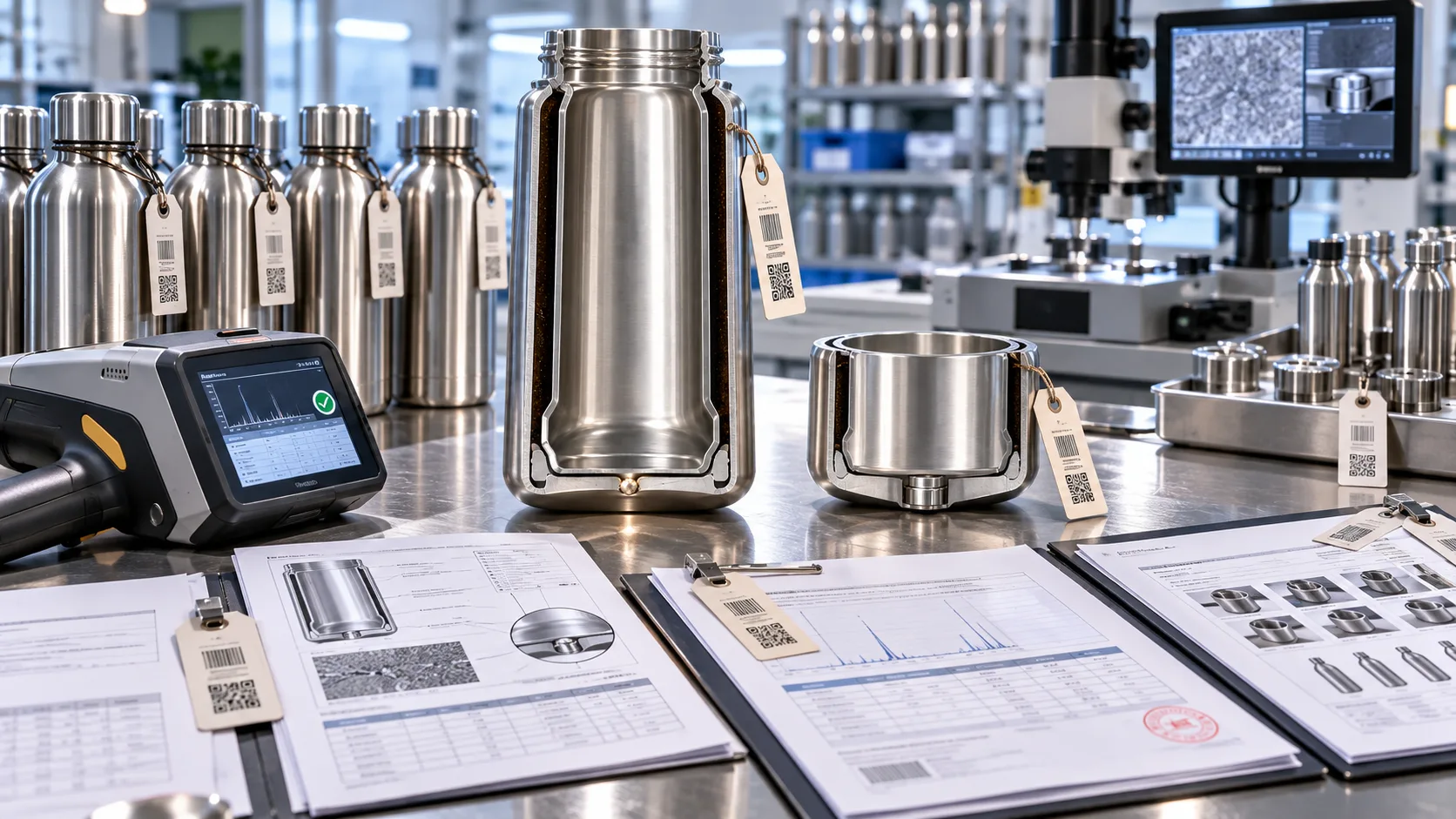
As a brand manager or sourcing professional, you need to go beyond the surface-level questions. When evaluating a supplier, don't just ask, "Are your bottles lead-free?"
Instead, ask more specific, process-oriented questions:
- "What material do you use to seal the vacuum insulation point on your double-walled bottles?"
- "Can you provide documentation or third-party test reports verifying your use of lead-free solder or an alternative sealing method?"
A transparent and capable supplier will have no trouble providing clear answers and supporting documentation. If a potential partner is evasive or cannot explain their sealing process, it's a major red flag. In my experience analyzing supplier documentation, the willingness to share process details is a strong indicator of overall quality and reliability. Trustworthy brands will have this information readily available because they've already done this verification work themselves.
Conclusion
So, do stainless steel water bottles contain lead? The bottle's main body does not, but lead can be present in a hidden solder point from the manufacturing process. While the direct risk to consumers is extremely low, the environmental and ethical implications are significant9. The crucial takeaway is that a "lead-free" claim is only as good as the process behind it. True safety comes from manufacturers who invest in modern, lead-free sealing technology.
For brands dedicated to developing high-quality, safe, and responsibly made drinkware, understanding these manufacturing nuances is non-negotiable. If you're looking to partner with a manufacturer that prioritizes transparency and uses modern, lead-free processes for every component, we can help. Contact us to discuss how we can build a product that meets the highest standards for your market.
"SAE 304 stainless steel", https://en.wikipedia.org/wiki/SAE_304_stainless_steel. Sources from materials science organizations and industry standards bodies define the composition of 18/8 or 304-grade stainless steel, which primarily consists of iron, chromium, and nickel, and does not include lead in its specification. Evidence role: definition; source type: institution. Supports: That 18/8 (304 grade) stainless steel does not contain lead as part of its standard chemical composition.. ↩
"How worried should you be about lead in your Stanley cup?", https://bouve.northeastern.edu/news/how-worried-should-you-be-about-lead-in-your-stanley-cup/. Reports from news investigations and statements from manufacturers have confirmed that some brands use a lead-based solder pellet to seal the vacuum insulation point on the exterior base of their stainless steel drinkware. Evidence role: case_reference; source type: other. Supports: That the use of lead-based solder pellets for sealing vacuum insulation in some popular stainless steel water bottles has been confirmed by manufacturers and reported by news outlets.. Scope note: The reports often note that this lead is sealed under a protective cap and is not intended to come into contact with the user or the beverage during normal use. ↩
"Solder", https://en.wikipedia.org/wiki/Solder. Technical sources on soldering explain that lead-tin alloys have historically been favored in many industries due to their low melting points, excellent flow characteristics, and relatively low cost compared to many lead-free alternatives. Evidence role: mechanism; source type: education. Supports: That lead-based solders have properties (like a low melting point and good wettability) and a cost profile that have made them historically common in certain manufacturing applications.. ↩
"Preventing Childhood Lead Poisoning", https://www.cdc.gov/lead-prevention/prevention/index.html. Public health agencies, such as the U.S. Centers for Disease Control and Prevention (CDC), state that lead exposure primarily occurs through ingestion or inhalation. Toxicologists note that as long as a sealing point containing lead is intact and covered, the risk of direct exposure to the user is minimal. Evidence role: expert_consensus; source type: government. Supports: That lead exposure requires ingestion or inhalation, and external lead that is sealed and covered poses a low risk of direct exposure to the consumer during normal use.. Scope note: This assessment does not account for potential exposure if the protective base cap is broken or removed, exposing the solder. ↩
"Lead Soldering Safety", https://blink.ucsd.edu/safety/occupational/hazard-control/lead-soldering.html. Governmental bodies like the Occupational Safety and Health Administration (OSHA) have established standards regarding lead exposure in the workplace, recognizing that processes like soldering can create hazardous fumes and dust, posing a health risk to workers. Evidence role: general_support; source type: government. Supports: That working with lead, particularly in soldering applications, is a known occupational hazard that can lead to worker exposure through fumes and dust.. ↩
"A Snapshot of Lead in Consumer Products Across Four US ...", https://pmc.ncbi.nlm.nih.gov/articles/PMC11251510/. The U.S. Environmental Protection Agency (EPA) classifies lead as a toxic heavy metal that poses a significant environmental risk. When products containing lead are disposed of in municipal solid waste, the lead can leach into the soil and groundwater, leading to contamination. Evidence role: general_support; source type: government. Supports: That lead is a toxic heavy metal that can leach into soil and groundwater if products containing it are disposed of improperly in landfills.. Scope note: While the principle of lead leaching is well-established, specific research on the quantity of lead released from discarded water bottles may be limited. ↩
"Getter", https://en.wikipedia.org/wiki/Getter. In vacuum technology, a 'getter' is a reactive material used to adsorb residual gas molecules after a preliminary vacuum is established. This process, which can involve heating a material contained within a glass pellet, creates a high-quality vacuum without the need for a physical sealing plug like solder. Evidence role: definition; source type: encyclopedia. Supports: To define what a 'getter' is in the context of vacuum technology and how it serves as an alternative to solder sealing.. ↩
"Green Guides", https://www.ftc.gov/news-events/topics/truth-advertising/green-guides. Regulatory bodies like the Federal Trade Commission (FTC) provide guidance that environmental and safety marketing claims should be specific and substantiated. A general 'lead-free' claim could be considered deceptive if a component, even an inaccessible one, contains lead, underscoring the importance of verifying the entire manufacturing process. Evidence role: expert_consensus; source type: government. Supports: That consumer protection bodies advise that broad marketing claims like 'lead-free' should be substantiated by evidence covering all parts and processes of a product where the contaminant might be introduced.. Scope note: This guidance is general for marketing claims and may not specifically mention stainless steel water bottles, but the principle applies directly. ↩
"Invited Perspective: Why Aren't We Doing More to Ensure ...", https://pmc.ncbi.nlm.nih.gov/articles/PMC11251511/. Statements from toxicologists and public health experts regarding this issue generally conclude that the risk of lead poisoning to consumers from normal use of bottles with a sealed lead pellet is very low. However, they often emphasize that the continued use of lead in any consumer product contributes to broader environmental contamination and occupational exposure risks that could be avoided. Evidence role: expert_consensus; source type: institution. Supports: That public health experts assess the direct exposure risk to consumers from sealed lead solder as minimal, while also acknowledging the broader public health and environmental risks associated with using lead in manufacturing.. ↩