
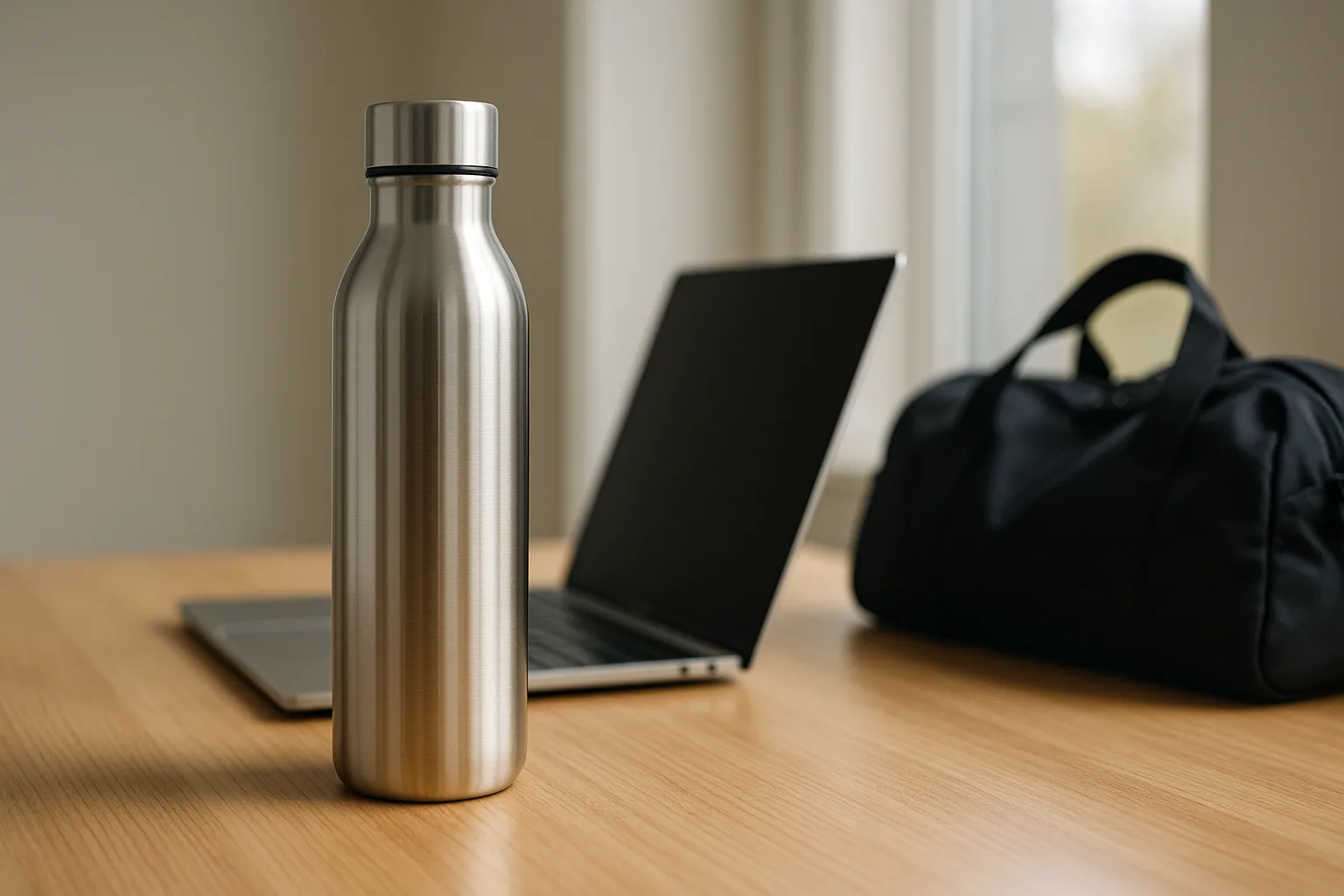
You need a water bottle that lasts. But plastic bottles feel cheap, and glass ones can break easily. Stainless steel offers a durable, stylish, and sustainable solution for your daily hydration.
Yes. Stainless steel water bottles are an excellent choice. They are durable, sustainable, and do not leach chemicals. This makes them a very safe and reliable option for everyday use.
I remember when our first major client, an outdoor brand, switched from plastic. They were worried about chemicals and taste. It made me realize just how much the right material matters. Let’s look at the details.
Is it healthy to drink water from a stainless steel bottle?
Many people worry about the materials that touch their water. So, let’s talk about the health aspect of stainless steel.
Yes, it is very healthy. Food-grade stainless steel, like 304 or 316, is non-toxic and BPA-free. It does not react with your drink or leave a strong metallic taste.
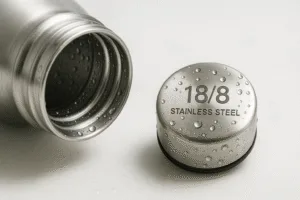
In our factory, we focus on specific, safe materials. The most common one is 304 stainless steel[^1]. You might also see this called 18/8 steel. This name means it contains 18% chromium and 8% nickel. This special mix makes the bottle very resistant to rust and corrosion.
What "Food-Grade" Steel Means
Food-grade steel is certified safe for contact with food and drinks. We rely on two main types for our clients.
- 304 Stainless Steel (18/8): This is the industry standard for high-quality bottles and kitchen appliances. It offers excellent rust resistance[^2] and durability[^3].
- 316 Stainless Steel (Marine Grade): This is a premium option. It has added molybdenum. This makes it even more resistant to corrosion, especially from salts or acidic drinks. We often recommend this for brands focused on sports drinks.
Why It Is Healthier Than Plastic
Plastic bottles can be a problem. Many contain a chemical called BPA (Bisphenol-A). Studies show this chemical can cause health issues. Even "BPA-free[^4]" plastics can release other chemicals, especially when they get hot. Stainless steel does not have this problem. It is a stable material.
What is the healthiest water bottle to use?
The word "healthiest" can mean two things. It means safety from chemicals. It also means cleanliness and hygiene.
The healthiest water bottle is either food-grade stainless steel or glass. Both are non-toxic and do not leach chemicals. Stainless steel has the extra benefit of being much more durable.
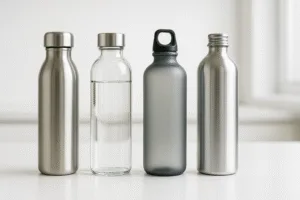
Let’s compare the top materials. As a manufacturer, we help brands make this choice every day. It is a trade-off between different features.
Comparing Your Bottle Options
Each material has good points and bad points. The "healthiest" choice often depends on your specific needs.
| Material | Health & Safety | Durability | Cleaning Difficulty |
|---|---|---|---|
| Stainless Steel | Excellent (non-leaching, BPA-free) | Very High (hard to break) | Easy (non-porous surface) |
| Glass | Excellent (non-leaching, pure taste) | Low (breaks easily) | Easy (dishwasher safe) |
| Plastic (Reusable) | Varies (check for BPA-free) | Medium (can crack or scratch) | Hard (scratches can hold bacteria) |
| Aluminum | Good (needs an inner liner) | High | Varies (liner can scratch) |
You can see the differences in the table. Glass is very pure. But it breaks. I have broken many glass bottles myself.
Plastic is light. But it can get tiny scratches on the inside. Those scratches can trap bacteria, making it hard to clean.
Aluminum bottles look like steel, but they are not the same. They must have an inner liner. This liner is often a plastic-based coating. This is because aluminum can react with acidic drinks. If that liner gets scratched, it is a problem.
For us, stainless steel wins. It combines the safety of glass with very high durability.
Is it better to have a stainless steel water bottle?
We think so. "Better" means it is better for you and better for the planet.
Yes, it is often better. Stainless steel bottles last much longer than plastic and are generally safer. They are also 100% recyclable, making them a great sustainable choice.
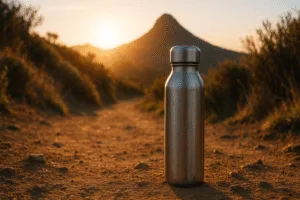
We talk to brand owners every day. More and more, they want sustainable products for their customers.
The Sustainability Factor
A single stainless steel bottle can replace thousands of single-use plastic bottles. This is a big deal. Plastic waste is a huge global problem. Stainless steel is one of the most recycled materials on earth. It can be melted down and used again and again without losing its quality.
The Reliability Factor
A steel bottle is an investment. I still use a bottle from one of our first production runs years ago. It is covered in dents from hiking trips, but it still works perfectly. It does not leak. It keeps my water cold all day.
This is what our corporate clients want. They want to give a gift that represents their brand’s quality. They want reliability. A cheap bottle breaks. A steel bottle lasts for years.
Is Owala better than Yeti?
This is a very common question. It is like asking if a fast sports car is better than a tough truck. They are built for different jobs.
Neither is "better." They are just different. Owala is known for its unique "FreeSip" lid and stylish designs. Yeti is famous for its extreme durability and maximum ice retention.
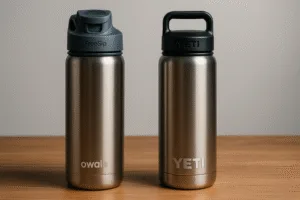
As a manufacturer that provides ODM (Original Design Manufacturing) services, we study these top brands. Their differences come from their design philosophy.
Design Philosophy: Owala
Owala focuses on the user experience and convenience. Their main feature is the lid. The "FreeSip" spout lets you sip through a built-in straw or chug from a wider opening.
- Best for: Daily use, commuting, the gym, office.
- Target: Users who want convenience and modern style.
- Feel: Modern, fun, and very user-friendly.
Design Philosophy: Yeti
Yeti focuses on performance and durability. Their brand is built for extreme conditions and tough use. Their bottles often feel heavier and more rugged.
- Best for: Camping, hiking, construction sites, boating.
- Target: Users who need maximum toughness and long ice retention.
- Feel: Rugged, strong, and professional-grade.
What We Learn from Them
When a client comes to us, we ask: Who is your customer? Are they like an Owala user, who values design? Or are they like a Yeti user, who values toughness? This helps us design the right lid, bottle shape, and wall thickness. Both brands use high-quality 18/8 stainless steel. The choice is about your brand’s unique story.
Conclusion
Stainless steel bottles are a healthy, sustainable, and reliable choice. Find the design and features that fit your brand and lifestyle.
[^1]: Explore the versatility and applications of 304 stainless steel, a key material in many industries.
[^2]: Learn about the mechanisms of rust resistance in metals and its importance in product longevity.
[^3]: Understand the key factors that enhance the durability of materials in various applications.
[^4]: Learn about the significance of BPA-free products and their impact on health and safety.